November 21, 2026
Selecting a lasting memorial for a loved one is a deeply meaningful responsibility that blends emotional tribute with practical planning. Because monuments, markers, and headstones each offer distinct visual styles, price points, and maintenance demands, understanding how they differ helps families make confident, well-informed decisions. Partnering with trusted local headstone services early in the process ensures you receive clear guidance on craftsmanship, cemetery rules, and design possibilities while honoring your loved one’s legacy with lasting dignity and care.
Understanding the Basics of Monuments
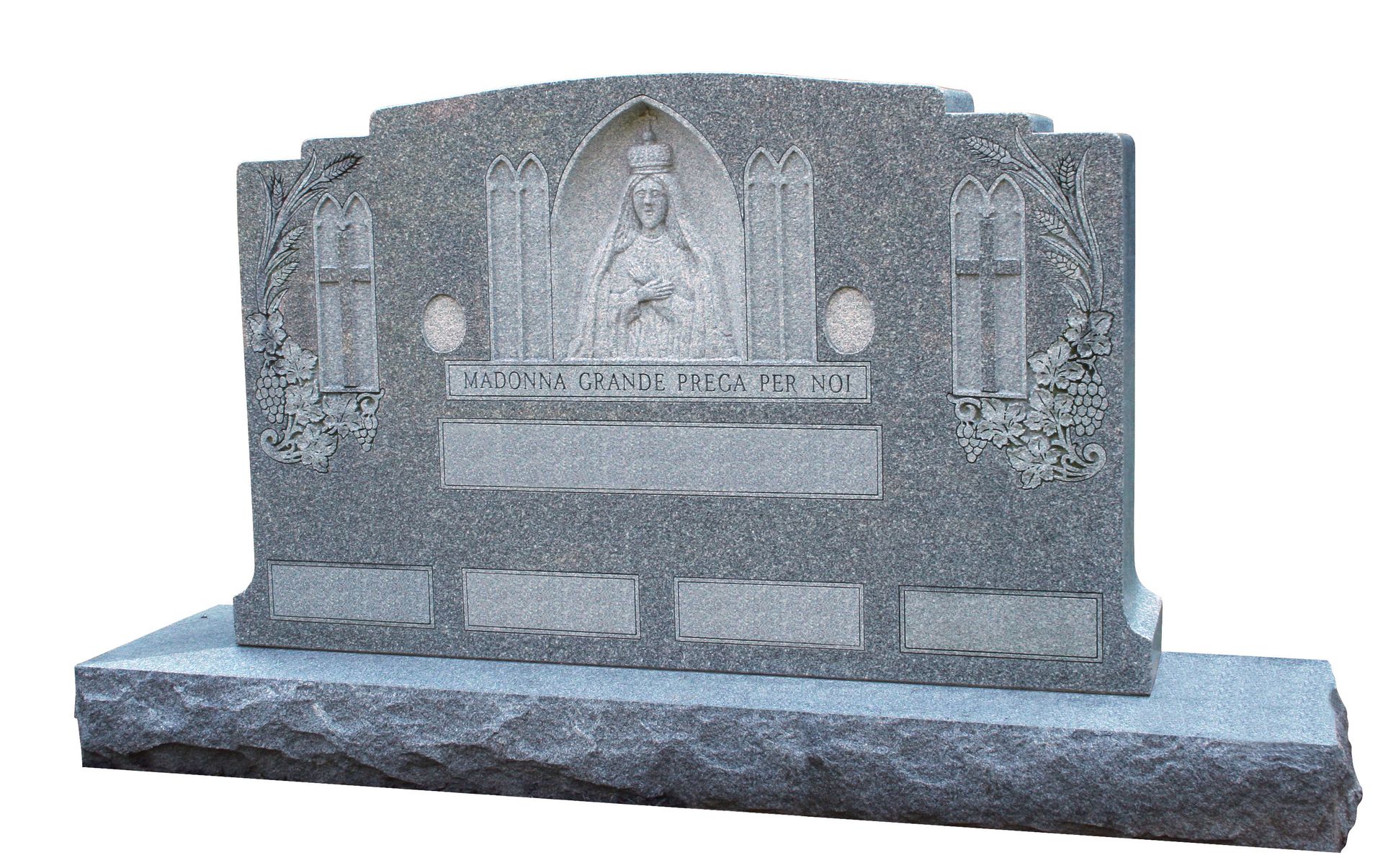
Monuments are substantial, freestanding structures that tend to be larger and more elaborate than standard grave markers. Commonly crafted from durable granite or marble, they appear in both cemeteries and public spaces to commemorate remarkable individuals, families, or historic events. Because of their generous dimensions, monuments accommodate intricate sculptures, custom architectural shapes, multi-panel engravings, and bronze plaques. Families often choose monuments when they want an unmistakable focal point that reflects a person's life achievements or anchors a multi-generational family plot. While monuments require a larger financial investment and specialized foundation work, their commanding presence creates an enduring landmark that withstands harsh weather and seasonal shifts for centuries.
Exploring the Simplicity of Flat Markers
Markers offer an understated, practical alternative to towering memorials by sitting flush with the surrounding lawn. Typically crafted from granite, bronze, or a combination of both, flat markers display essential details such as full names, birth and death dates, and brief epitaphs. Their low profile blends seamlessly into park-like cemetery landscapes, making routine groundskeeping easier for cemetery staff. Many modern memorial parks specifically require flat markers to maintain uniform visual sightlines across the grounds. Despite their compact size, markers can still feature floral vases, decorative borders, and detailed emblems, giving families an affordable, low-maintenance tribute that remains dignified, respectful, and easy to visit year-round.
Examining the Tradition of Upright Headstones
Headstones represent the most recognizable style of cemetery memorial, featuring a vertical stone slab mounted atop a sturdy horizontal base at the head of a grave. Usually carved from granite, marble, or sandstone, upright headstones strike an ideal balance between traditional elegance and personal expression. Their vertical faces provide ample room for religious symbols, heartfelt inscriptions, engraved portraits, and even weather-resistant QR codes linking to digital biographies and family photo archives. Because upright stones stand above ground level, proper foundation pouring and precise leveling are essential to prevent leaning or shifting over time. Experienced local headstone services handle these technical installation details so the memorial remains stable and upright for generations.
Comparing Size and Design Options
Choosing among monuments, markers, and headstones depends heavily on how much surface area and visual prominence your family envisions. Monuments provide sweeping dimensions suited for three-dimensional carvings, companion benches, or obelisk silhouettes. Upright headstones offer moderate height and double-sided engraving space, allowing families to share a detailed story without overwhelming a single burial plot. Flat markers prioritize simplicity, focusing attention on crisp typography and clean border work within a compact footprint. Modern laser etching and precision sandblasting techniques allow skilled artisans to execute fine artwork across all three formats, helping you match the scale of the stone to both your aesthetic preferences and site constraints.
Selecting Durable Memorial Materials
The material you choose shapes both the immediate beauty and the multi-decade resilience of any memorial. Granite remains the industry standard because its dense crystalline structure resists cracking, moisture absorption, and acid rain while coming in a wide spectrum of natural colors. Marble delivers classic, luminous beauty favored in historic cemeteries, though its softer mineral composition gradually weathers under harsh elements and requires gentler care. Cast bronze, frequently paired with granite bases for flat markers, resists rust and develops a distinguished patina over time. Carefully evaluating how each stone or metal material performs in your regional climate prevents premature fading and preserves crisp lettering for future visitors.
Planning Your Memorial Budget
Establishing a clear budget helps families weigh upfront purchase prices against long-term upkeep and installation fees. Flat markers generally represent the most economical option, followed by traditional upright headstones, while custom monuments carry higher costs due to stone volume, intricate carving, and heavy crane placement. Beyond the stone itself, families should account for engraving charges, cemetery foundation fees, and perpetual care assessments. According to Market.us, by the year 2034, the worldwide grave marker market value is expected to reach roughly $3.6 billion. As demand for personalized craftsmanship grows across the industry, consulting local headstone services for itemized quotes, transparent timelines, and flexible payment plans ensures your tribute fits comfortably within your financial comfort zone.
Navigating Cemetery Rules and Locations
Every cemetery enforces specific bylaws governing memorial dimensions, approved materials, foundation depths, and installation procedures. Some sections permit only flush bronze or granite markers, whereas traditional sections allow upright headstones within strict height and width limits. Plot location also influences practical planning, as hillside graves, shaded groves, or high-traffic pathways expose stones to different soil and moisture conditions. Before finalizing any artwork or stone order, confirm all written specifications with cemetery management. Reputable local headstone services routinely coordinate directly with cemetery superintendents to verify permits, foundations, and exact measurements, eliminating costly redesigns or unexpected installation delays.
Incorporating Custom and Personal Touches
Personalization transforms a standard stone into an authentic reflection of an individual's character, passions, and values. Beyond names and dates, families frequently incorporate favorite scripture passages, handwritten signatures, musical notes, military insignia, or emblems representing cherished hobbies and careers. Custom stone shapes—such as hearts, open books, or natural boulders—add further distinction, while ceramic portraits and bronze medallions introduce visual warmth and depth. Working collaboratively with skilled memorial designers allows you to arrange text and artwork harmoniously so the layout remains legible from a distance. Thoughtful guidance from local headstone services ensures every custom detail honors your loved one tastefully while maintaining structural durability.
Ensuring Long-Term Durability and Care
Protecting a memorial's appearance requires matching sound construction with occasional, appropriate maintenance. Over decades, exposure to freeze-thaw cycles, windblown debris, lichen, and hard-water sprinklers can dull polished surfaces or obscure shallow carvings. Selecting high-grade granite or bronze minimizes weather wear, while proper deep-set foundations prevent frost heave from tilting upright stones. When cleaning a memorial, families should avoid harsh household chemicals, wire brushes, or pressure washers that strip protective finishes, opting instead for clean water, pH-neutral stone cleaners, and soft bristle brushes. Many local headstone services also provide professional cleaning, re-leveling, and restoration care to keep older family stones looking clean and dignified.
Honoring Cultural and Religious Traditions
Cultural heritage and spiritual beliefs deeply influence how families commemorate a life well lived. Different faith traditions emphasize specific iconography, sacred texts, stone orientations, or levels of simplicity—from unadorned markers reflecting humility to ornate crosses, Stars of David, or cultural motifs celebrating ancestral roots. In increasingly diverse communities, families often blend time-honored customs with contemporary design elements to tell a complete, meaningful story across generations of loved ones. Relying on knowledgeable local headstone services helps ensure every symbol, inscription, and placement detail aligns respectfully with both religious guidelines and family wishes.
Ultimately, choosing between a monument, marker, or headstone comes down to balancing personal meaning, cemetery guidelines, durability, and budget. By comparing how each style preserves cherished memories across generations and partnering with experienced local headstone services, your family can create a lasting tribute that offers enduring comfort, beauty, and pride. When you are ready to design a meaningful, enduring memorial with compassionate guidance and expert craftsmanship, contact Beesley Monument & Vault Co today to schedule a personal consultation and explore custom options tailored to your family.